Why is this the best write between the lines worksheet for kids to learn English vocabulary?
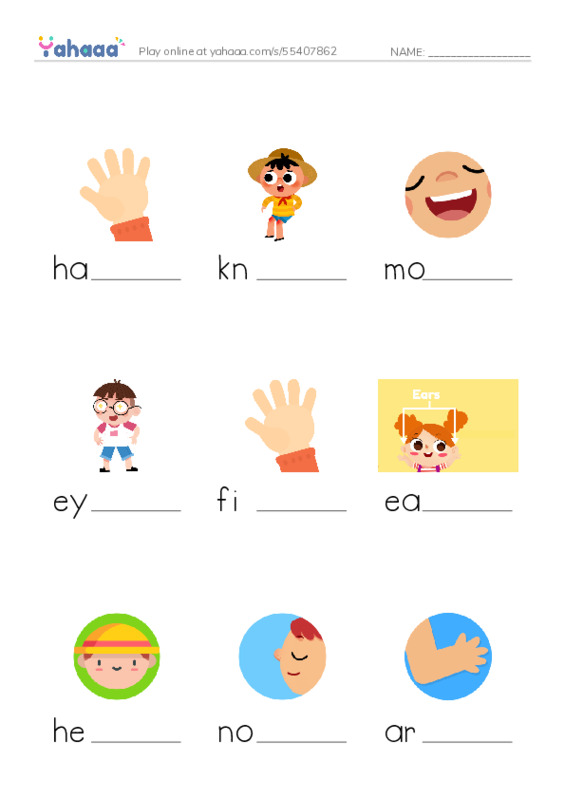
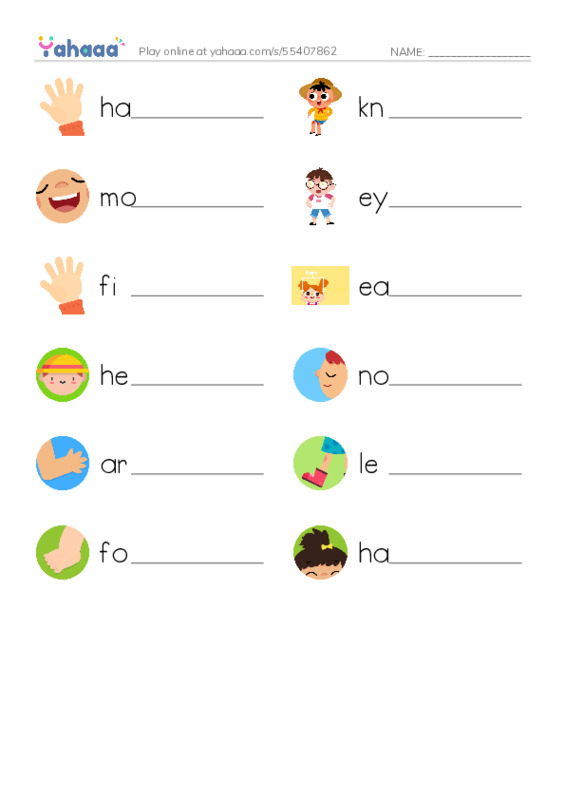
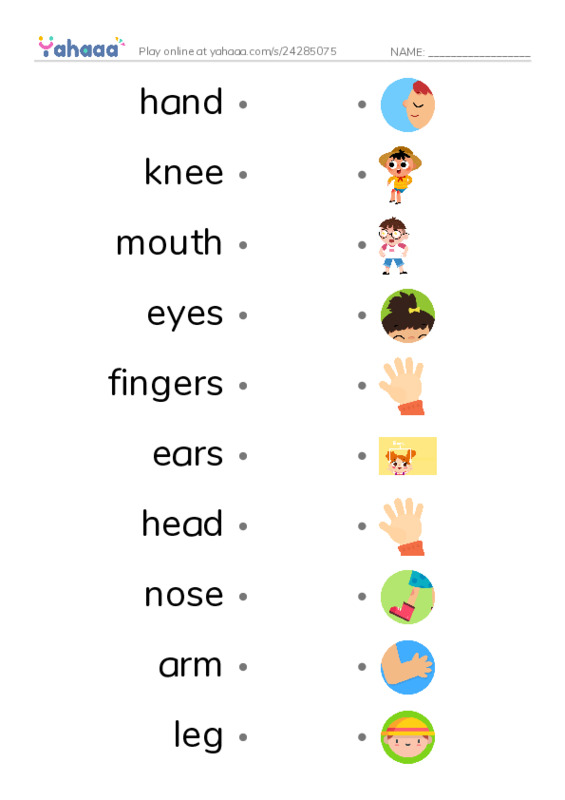
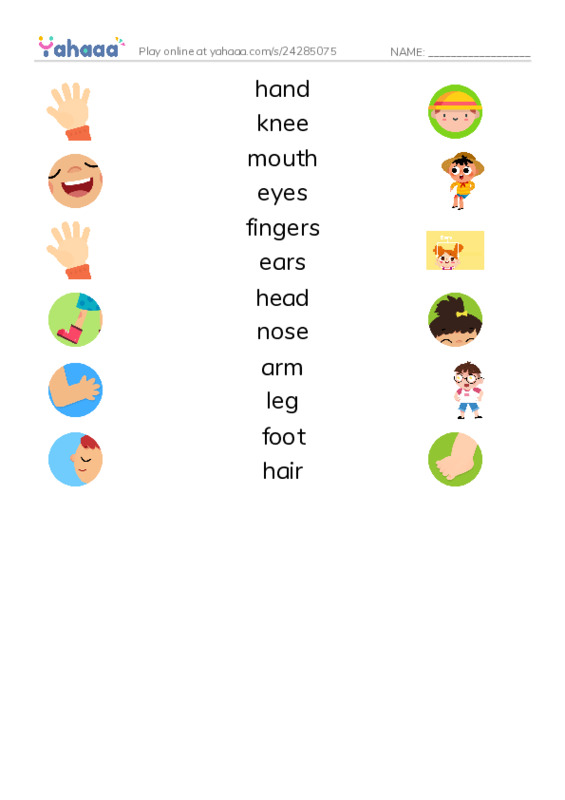
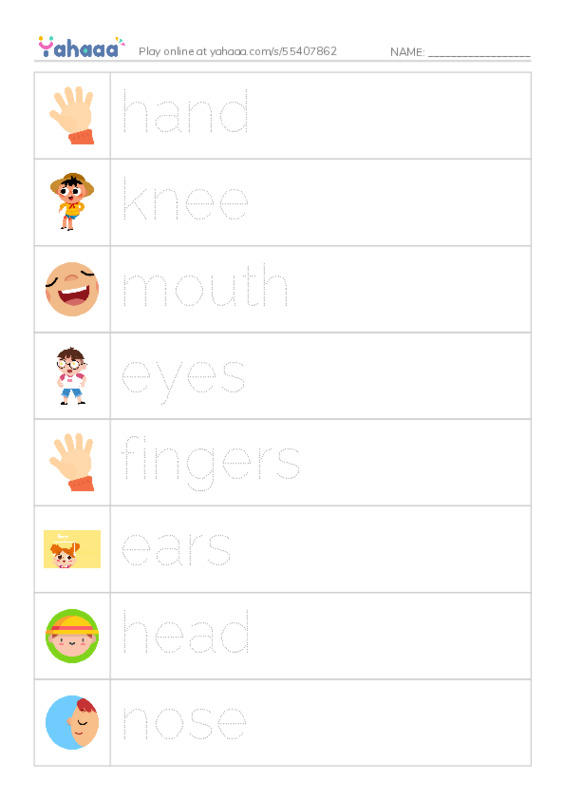
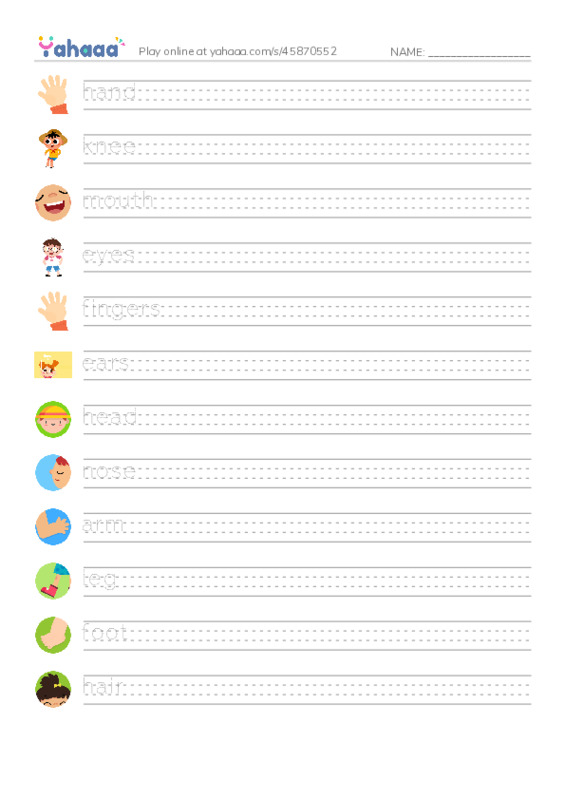
The free and printable PDF alphabetical order write between the lines worksheets for kids to learn body parts anatomy vocabulary and learn to write them includes a list of words related to the human body. The words are organized in alphabetical order, with a blank line between each word for kids to write the word on.
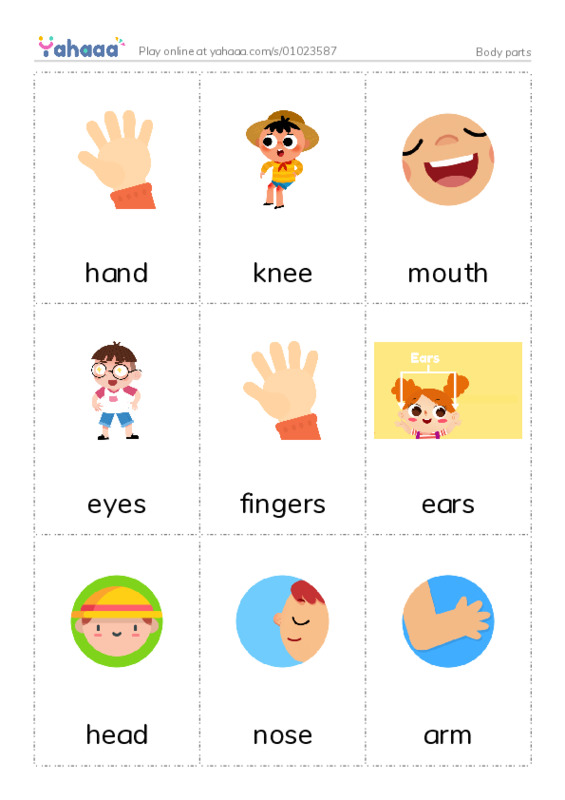
The worksheets are designed to provide a comprehensive overview of the body parts and anatomy. The words included on the worksheets are chosen to provide a broad range of vocabulary related to the human body. The words include "arm," "brain," "chest," "eye," "finger," "hand," "hip," "intestines," "knee," "leg," "lung," "mouth," "neck," "nose," "shoulder," "stomach," "torso," and many more.
In addition to the words, the worksheets also include a labeled picture of a human body. This picture serves as a helpful visual reference for kids as they work through the alphabetical order and writing activity.
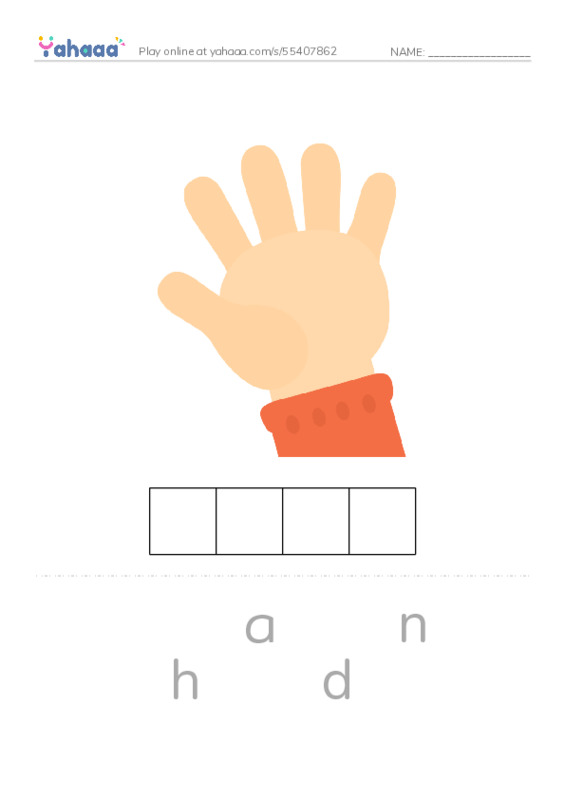
To complete the worksheets, kids must first organize the words in alphabetical order. Then, they must write each word on the blank line provided. This activity provides an interactive and engaging way for kids to learn the vocabulary related to the human body, while also practicing their handwriting skills. Once they have completed the writing activity, kids can use their newfound knowledge to label the body parts on the picture.
Overall, the free and printable PDF alphabetical order write between the lines worksheets for kids to learn body parts anatomy vocabulary and learn to write them is a valuable resource for kids learning about the human body. It provides a fun and interactive way for kids to learn important vocabulary and improve their handwriting skills, and helps them develop important skills such as concentration and problem-solving.
Why is Yahaaa the best place for these worksheets?
This type of worksheet is good for kids in grades 2-4. At this age, kids are learning about the human body and its different parts, which makes this worksheet a valuable resource for their learning. The worksheet provides a fun and engaging way for kids to learn important vocabulary related to the human body, while also practicing their handwriting skills. This makes it a valuable resource for kids in these grade levels who are looking to improve their vocabulary and handwriting skills.
What do kids and toddlers learn with them?
Children who use this type of worksheet are training a variety of skills, including vocabulary, handwriting, concentration, and problem-solving. The worksheet provides a clear and concise way for kids to learn important vocabulary related to the human body, which can help improve their overall language skills. The writing activity on the worksheet provides a fun and engaging way for kids to practice their handwriting skills, which can help improve their overall writing ability. The activities on the worksheet, such as alphabetical order, provide a fun and engaging way for kids to practice their concentration and problem-solving skills, which can help improve their overall cognitive development. Overall, this type of worksheet is a valuable resource for helping kids learn important vocabulary, improve their handwriting skills, and develop important cognitive skills.
Why should kids learn to write body parts?
Understanding the names and functions of the different body parts is an important part of understanding the human body as a whole. By learning anatomy vocabulary, kids can better understand how the body works and how different parts of the body work together.
Kids understand the human body, learning anatomy vocabulary can also help improve their overall language skills. Learning new vocabulary is an important part of language development, and learning anatomy vocabulary provides a fun and engaging way for kids to expand their vocabulary and improve their overall language abilities.
Learning anatomy vocabulary is a valuable and important skill for kids to have. It can help them better understand the human body and improve their overall language skills.